

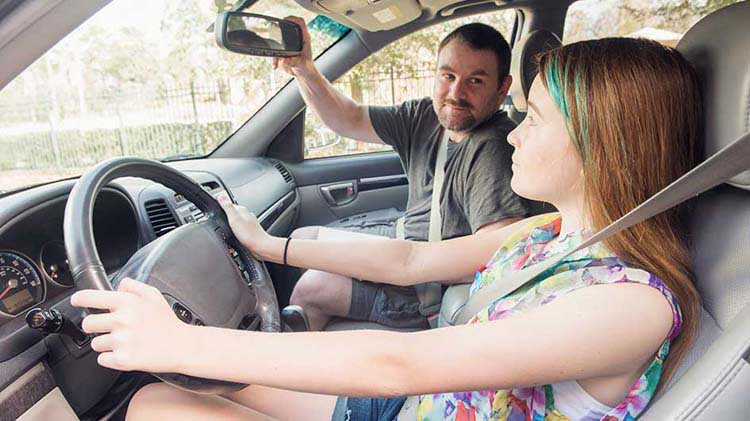
Transitioning from quiet residential streets to a multi-lane highway can feel overwhelming for a new driver. The dramatic increase in speed, the volume of vehicles, and the speed at which situations evolve require a completely different set of visual and cognitive skills. While learning the basic mechanics of driving takes place in a parking lot or neighborhood, mastering the interstate demands high-level spatial awareness and quick decision-making.
Understanding how to navigate these environments is crucial for teen drivers. By learning how to read traffic patterns, manage speeds, and communicate effectively with other motorists, young drivers can significantly reduce their risks and build long-term confidence behind the wheel.
Mastering the On-Ramp and Merging Safely
The first challenge of highway driving occurs before you even enter the main lanes. The on-ramp serves a vital purpose: it is an acceleration lane designed to let you match the speed of the existing highway traffic. One of the most common mistakes novice drivers make is traveling too slowly down the ramp, which forces vehicles already on the highway to brake or change lanes abruptly.
To execute a flawless merge, treat the acceleration lane as your runway. Step on the gas pedal with purpose to bring your vehicle up to the posted speed limit or the speed of the current flow of traffic. As you accelerate, look over your shoulder and consult your side mirrors to locate an open gap between vehicles.
Signal your intention early. This gives drivers on the main road time to adjust their positioning, either by letting off the gas or moving over a lane to create space for you. Once you spot a sufficient gap, smoothly steer into the lane without jerking the wheel or tapping your brakes.
Understanding Following Distance and Speed Management
On local roads, a small lapse in attention might result in a minor fender bender. On a highway, where vehicles routinely travel at high speeds, a delayed reaction can lead to a severe multi-car collision. This is why managing your speed and creating a safety cushion around your vehicle is absolutely paramount.
You should implement the four-second rule when tracking the vehicle ahead of you. To do this, pick a stationary object along the roadside, such as a signpost or an overpass. When the car ahead passes that object, begin counting. If your vehicle reaches the same object before you count to four, you are tailgating and need to ease off the accelerator.
Furthermore, recognize that high speeds reduce your available time to react to unexpected hazards. If a vehicle three cars ahead suddenly hits their brakes, a proper following distance provides the visibility and time necessary to slow down gradually rather than slamming on your brakes, which could cause a chain reaction behind you.
Effective Lane Positioning and Blind Spot Management
Highways feature multiple lanes, each serving a unique operational purpose. As a general rule, the right lane is reserved for slower traffic, entering, and exiting the highway. The middle lanes are meant for continuous through-travel, while the left lane is strictly designated for passing slower vehicles.
-
Avoid staying in the left lane if you are not actively passing another car.
-
Scan all mirrors every few seconds to build a mental map of the traffic surrounding your vehicle.
-
Recognize that large commercial trucks have much larger blind spots, known as no-zones, which extend far behind, to the sides, and directly in front of the truck cabin.
Before attempting any lane change, you must look, signal, and verify your blind spots. Your mirrors do not capture every angle. A quick glance over your shoulder in the direction you plan to move is the only reliable way to ensure a vehicle is not driving directly alongside your rear bumper. Once you confirm the lane is clear, click your turn signal, wait a couple of seconds to alert nearby drivers, and glide smoothly into the next lane.
Anticipating Changing Traffic Conditions
Experienced motorists do not just look at the bumper of the car immediately in front of them; they scan a quarter-mile to a half-mile down the road. Looking far ahead allows you to spot brake lights, lane closures, construction zones, or stalled vehicles long before you reach them.
When traffic conditions begin to deteriorate or slow down ahead, do not wait until the last moment to apply your brakes. Lightly tap your brake pedal early to illuminate your brake lights. This actions signals to the drivers behind you that traffic is slowing down, preventing a dangerous surprise. If you notice a cluster of vehicles bunching up in one lane, consider safely moving to an adjacent lane to maintain your safety cushion and avoid sudden stoppages.
Navigating Heavy Congestion and Bottlenecks
Encountering a sudden traffic jam can be incredibly stressful for a teenager. When highways become congested, the risk of rear-end collisions spikes dramatically. The most effective defense against stop-and-go traffic is maintaining a steady, predictable pace and keeping your eyes completely on the road.
Avoid the temptation to constantly switch lanes in an attempt to find a faster route through a bottleneck. Frequent lane changes in heavy traffic increase the likelihood of sideswipe accidents and rarely save a meaningful amount of time. Instead, pick a lane, maintain a generous gap between your car and the vehicle ahead, and keep your foot positioned securely over the brake pedal so you are ready to stop instantly if needed.
Eliminating Cognitive and Physical Distractions
Operating a vehicle at high speeds requires absolute concentration. At sixty-five miles per hour, your vehicle travels nearly one hundred feet per second. Glancing down at a cell phone notification for just three seconds means your vehicle has traveled the length of an entire football field while you were driving completely blind.
-
Place your smartphone in a glove compartment, a bag, or activate a do-not-disturb driving mode before starting the engine.
-
Adjust your climate control settings and GPS navigation system before you merge onto the highway.
-
Limit the number of teenage passengers in your vehicle, as lively conversations can pull your focus away from complex traffic conditions.
If you ever need to adjust your navigation map, make a phone call, or deal with a distraction inside the vehicle, use the upcoming exit to pull into a safe parking lot. Never attempt to multitask while navigating active highway lanes.
Handling Adverse Weather Patterns on the Highway
Rain, fog, and snow drastically change how a vehicle handles on a highway. High speeds combined with wet asphalt can trigger hydroplaning, a terrifying situation where your tires lose direct contact with the road surface and travel on a thin layer of water, causing a total loss of steering control.
When the weather turns bad, your immediate action should be to reduce your speed below the posted limit and double your following distance to eight seconds or more. Turn on your headlights so other drivers can see you through the mist or downpour. Crucially, turn off your cruise control system during inclement weather, as it can prevent your vehicle from properly recognizing a loss of traction and make recovering from a skid much more difficult.
Frequently Asked Questions
What should I do if my vehicle experiences a flat tire or mechanical breakdown while driving on a crowded highway?
If your vehicle breaks down, immediately activate your hazard lights to signal trouble to other motorists. Safely guide your vehicle toward the right shoulder, moving as far away from the active traffic lanes as possible. Once parked, turn your front wheels toward the guardrail or away from the road, apply the parking brake, and call for roadside assistance. If you can safely exit the vehicle from the side away from traffic, do so and stand a safe distance behind the guardrail while waiting for help.
How do I safely handle an aggressive driver who is tailgating or flashing their lights at me on the interstate?
Never engage with an aggressive driver or tap your brakes to check them. The safest response is to remove yourself from the situation. Safely signal and move into the right lane to allow the aggressive driver to pass you. Maintain a calm demeanor, avoid making direct eye contact, and focus entirely on your own driving.
Is it safer to drive in the far right lane or the middle lane during peak rush hour traffic?
During heavy rush hour traffic, the middle lane is generally preferred for continuous driving. The far-right lane experiences constant disruptions from vehicles entering via on-ramps and slowing down to exit the highway. Staying in the middle lane allows you to avoid these fluctuating speeds and maintain a more consistent and safer pace.
How do I know when it is safe to return to my lane after passing a slow-moving commercial truck?
You should never cut back into a lane directly in front of a large truck. Because trucks require much longer distances to come to a complete stop, you need to ensure you have left a massive safety gap. A reliable rule of thumb is to remain in the passing lane until you can see the entire front cab of the truck, including its headlights, in your central rearview mirror before signaling and moving back over.
What is a zipper merge and how should a new driver execute it correctly during a lane closure?
A zipper merge occurs when a lane is ending due to construction or an accident, and drivers are encouraged to use both lanes fully until they reach the bottleneck point. Once at the merge point, vehicles from each lane take turns alternating into the single open lane, resembling the teeth of a closing zipper. To execute this safely, maintain a slow, steady speed, look for a vehicle to alternate with, signal your entry, and smoothly integrate without stopping completely.
How can I combat highway hypnosis or sudden drowsiness during an extended road trip?
Highway hypnosis is a trance-like state brought on by staring at a monotonous road for a long period. To fight this, plan to take a fifteen-minute break every two hours of driving to stretch your legs and refresh your mind. Keep the vehicle interior cool, listen to engaging music or an active audio program, and never attempt to drive during hours when you would normally be asleep.

Comments are closed.