

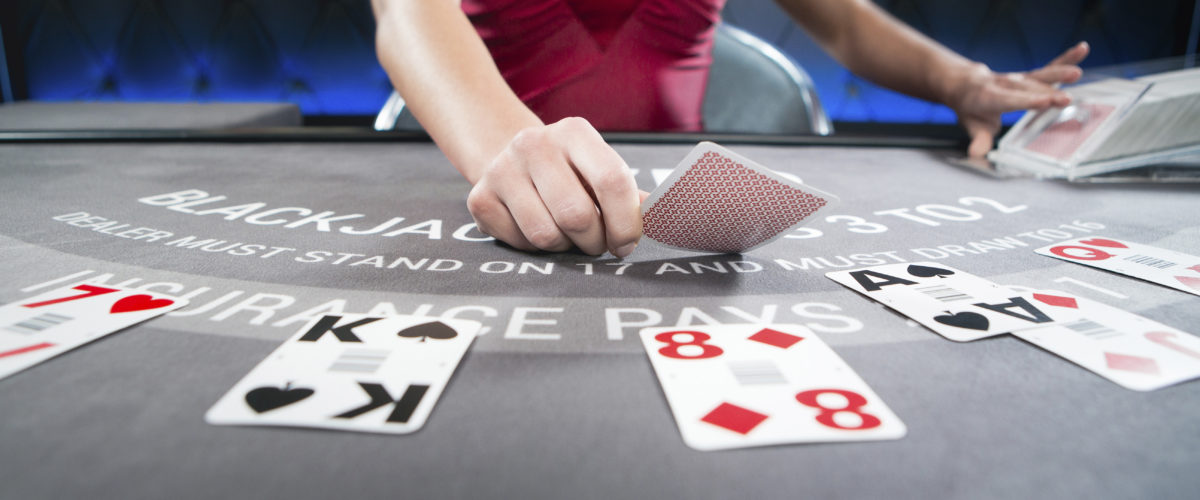
Card-dealing mechanics begin with how cards are shuffled, and that process splits sharply between automated systems and live physical handling. Across the online casino floor, software-driven tables randomise through a certified algorithm while live tables rely on a dealer working real cards on camera.
Automated shuffling reorders the deck through a generator that produces a fresh sequence before every hand. No physical cards exist in this free credit no deposit 2026, so the order resets instantly with each deal, leaving no carryover between rounds.
Live shuffling follows a visible procedure instead. A dealer riffles physical cards on camera, often loading them into a shoe that feeds hands across many rounds before a reshuffle. This visible handling lets a player watch the randomisation unfold rather than trust an unseen process.
The two methods produce the same fairness goal through opposite means, one through certified code and the other through observed physical motion.
Why does shoe depth matter?
Shoe depth matters because the number of decks loaded into a shoe changes how cards distribute across a stretch of hands. A deeper shoe holds more cards before a reshuffle, altering the rhythm of how often the deck resets.
Deck count shapes the dealing pattern. A single-deck shoe exhausts quickly and reshuffles often, while a multi-deck shoe deals many rounds before returning to a fresh order.
Several effects follow from depth:
- Single-deck shoes reset frequently, refreshing the sequence often.
- Multi-deck shoes stretch many hands between reshuffles.
- Penetration depth sets how far into the shoe the dealing continues before a reset.
Shoe construction directly governs how long a given order persists, separating tables that refresh constantly from those that run deep before resetting.
Automated vs live dealing
Dealing splits into two paths that handle cards through entirely separate means. Automated tables deal through software while live tables route every card through a dealer’s hands on camera, and that division shapes the whole feel of a round.
Software dealing moves at machine speed. A card appears the instant the system selects it, with no physical motion between selection and display, letting rounds resolve in rapid succession.
Live dealing carries a deliberate pace instead. A dealer draws each card by hand, turns it for the camera, and places it on the felt, building a visible rhythm that software cannot replicate. This slower cadence trades raw speed for observable handling that a player follows in real time.
Burn card procedures
Burn card procedures remove one or more cards from play before dealing begins, a practice carried from physical tables into live formats. Removing the top card guards the upcoming sequence from any advance read, preserving the integrity of the deal.
Live tables follow this step on camera. A dealer sets aside the burn card before distributing hands, repeating the action at defined points through the shoe. Players watch the removal directly, confirming the procedure as it happens.
Automated formats handle the concept differently. Since a generator reshuffles every hand, no advance read exists to guard against, so many software tables skip the burn entirely. The procedure survives mainly where physical cards and a visible shoe make it meaningful.
Card-dealing mechanics range from instant software randomisation to deliberate live handling, with shuffle method, shoe depth, and burn procedures each marking where one table’s approach to distributing cards departs from another.

Comments are closed.